Remodel Once, Remodel Right: Energy-Smart Upgrades Worth Folding Into Your Orlando Remodel
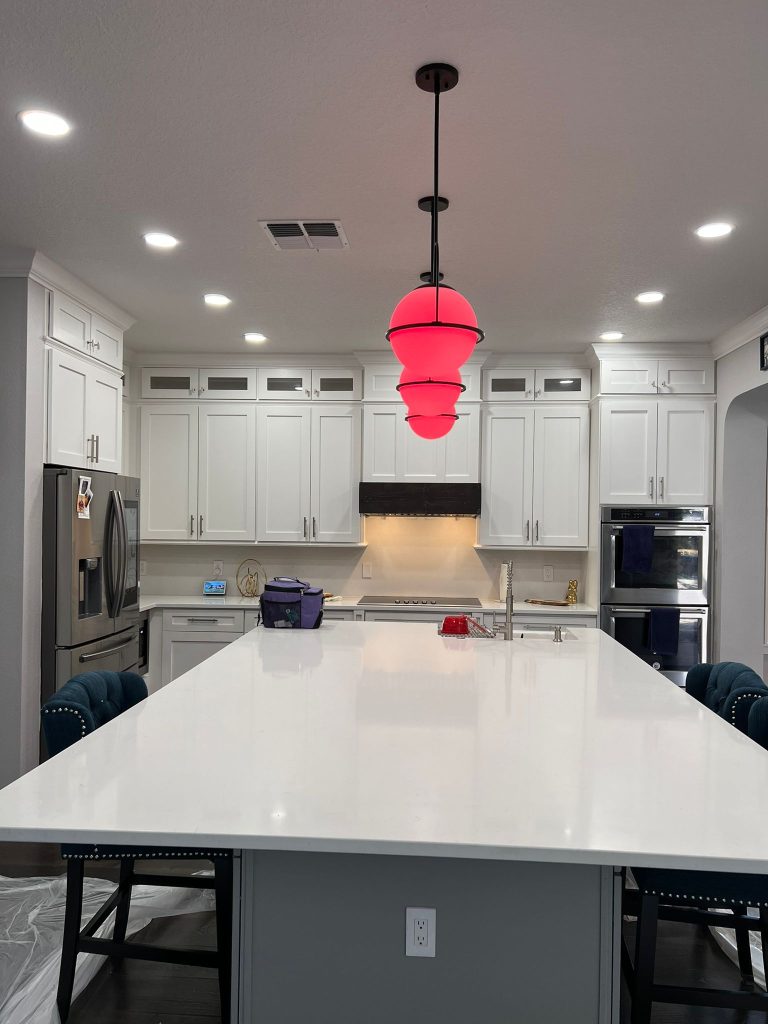
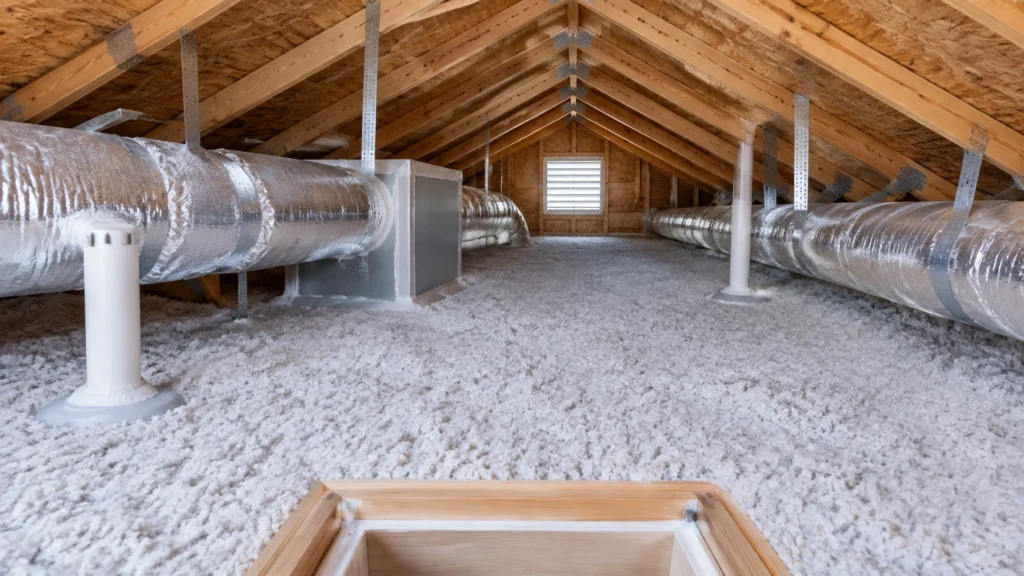
Planning a remodel? Schedule a free in-home estimate with A&G General Services USA, or call 407-572-1830. As your remodeling partner, we can help you consider energy- and climate-smart details alongside the finishes, fixtures, and layout you’re already planning. A remodel is a chance to make your home feel more like you, and to think about how it performs through Orlando’s long, humid summers. The most useful upgrades aren’t always the most visible. Air sealing, insulation, ventilation, and moisture-resistant installation choices can shape everyday comfort long after the last cabinet handle is in place. Start with the conditions Central Florida homes face In Central Florida, homes contend with heat, high outdoor humidity, and long cooling seasons. That makes the relationship between the home’s air barrier, insulation, ductwork, and cooling system especially important. Gaps that allow humid outdoor air to enter, or leaky ducts that lose conditioned air in an attic, can undermine comfort and add to cooling demand. That’s why energy-smart planning should begin with the whole house, not a product checklist. My Florida Home Energy’s whole-house improvement library offers Florida-focused guidance on prioritizing improvements such as attic insulation and duct sealing. If your remodel involves opening walls or ceilings, consider asking a qualified professional to assess the surrounding conditions before work is closed up. The right recommendations will depend on your home’s construction, existing HVAC system, and project scope. Address air leaks, attic insulation, and ducts together Air sealing and insulation work best as a coordinated pair. Sealing common gaps around ceiling penetrations, attic access panels, and plumbing or electrical openings helps limit unwanted air movement. Adding insulation afterward can help slow heat transfer through the ceiling. For a Zone 2 home, R-38 ceiling or attic insulation is a useful reference point in the Florida Building Code’s prescriptive approach. The applicable requirement depends on the current code, your project, and the compliance path being used, so confirm specifications with the professionals handling your project. See the 2023 Florida Building Code energy form for the code reference. Ductwork deserves attention, too. If ducts run through an unconditioned attic, leaks or damaged connections can waste cooled air. Have them inspected and sealed using appropriate materials. Insulation and duct work should be planned carefully to avoid moisture issues; in Florida’s humid climate, simply adding material without checking the full assembly may not be enough. Make humidity control part of comfort planning A comfortable home is not only cool. It also feels appropriately dry. Air conditioning removes some moisture as it cools, but results depend on the equipment, its sizing, operating conditions, and the home itself. An oversized system, for example, may cool rooms quickly without running long enough to manage moisture effectively. When considering HVAC changes as part of a remodel, discuss cooling and humidity needs with a qualified HVAC professional. Ask whether the existing system is appropriate for the home and whether supplemental dehumidification or humidity-aware controls make sense. These measures should complement good air sealing and well-maintained ducts, not substitute for them. Choose kitchen upgrades that work hard every day In a kitchen, efficient choices can be practical as well as attractive. ENERGY STAR-certified LED lighting can provide clear task light over counters and cooking areas, while using less energy than conventional lighting. Consider layered lighting (such as recessed lights, pendants, and under-cabinet fixtures) so you can brighten work surfaces without lighting the whole room more than necessary. When you’re comparing appliances, look for the ENERGY STAR label on eligible models, and choose features that suit the way your household cooks and cleans. During kitchen remodeling in Orlando, it’s also a good time to plan outlets, lighting, and appliance locations together. Thoughtfully designed custom kitchen cabinets in Orlando can make storage and daily routines feel more seamless, too. For faucets, consider a model that uses water efficiently while still meeting your expectations for performance. EPA’s WaterSense Homes technical reference explains the water-efficiency criteria for labeled bathroom faucets; check product specifications for kitchen fixtures. Design bathrooms to move moisture outdoors Every shower sends moisture into the air. A properly selected and installed bathroom exhaust fan can help remove it, but the fan should vent outdoors, not into an attic or ceiling cavity. A timer or humidity-sensing control may help the fan run long enough after bathing, depending on the fixture and household routine. Before choosing finishes, think about how ventilation, waterproofing, and tile details work together. In a shower or other wet area, the tile is only the visible surface. Proper substrate preparation and a compatible waterproofing system beneath it are essential parts of a well-planned assembly. Grout and sealers should be selected and maintained according to the product requirements; grout by itself is not a substitute for waterproofing. Our Orlando bathroom remodeling page offers a look at the kind of thoughtful updates that can turn a daily-use room into a more comfortable retreat. Select flooring and finishes suited to Florida living Porcelain tile is a popular choice for kitchens, bathrooms, and other areas where spills and humidity are part of daily life. It is durable and easy to clean, but the finished result depends on more than the tile itself. In wet areas, substrate preparation, waterproofing details, setting materials, grout selection, and careful installation all matter. If you’re planning a flooring renovation in Orlando or comparing options for tile installation in Orlando, consider where the material will go and how the space is used. Ask about the installation system as a whole, not just the surface finish. Paint is another opportunity to make a thoughtful choice. Low-VOC or low-emission interior paints and finishes can reduce some indoor sources of emissions compared with conventional alternatives. Check the product label and available certification, and follow the manufacturer’s directions for application and ventilation. Scheduling interior painting in Orlando alongside other work can also help you plan the sequence of finishes and allow rooms to air out. Think of savings as a possible benefit, not a promise Air sealing, insulation, efficient lighting and appliances,