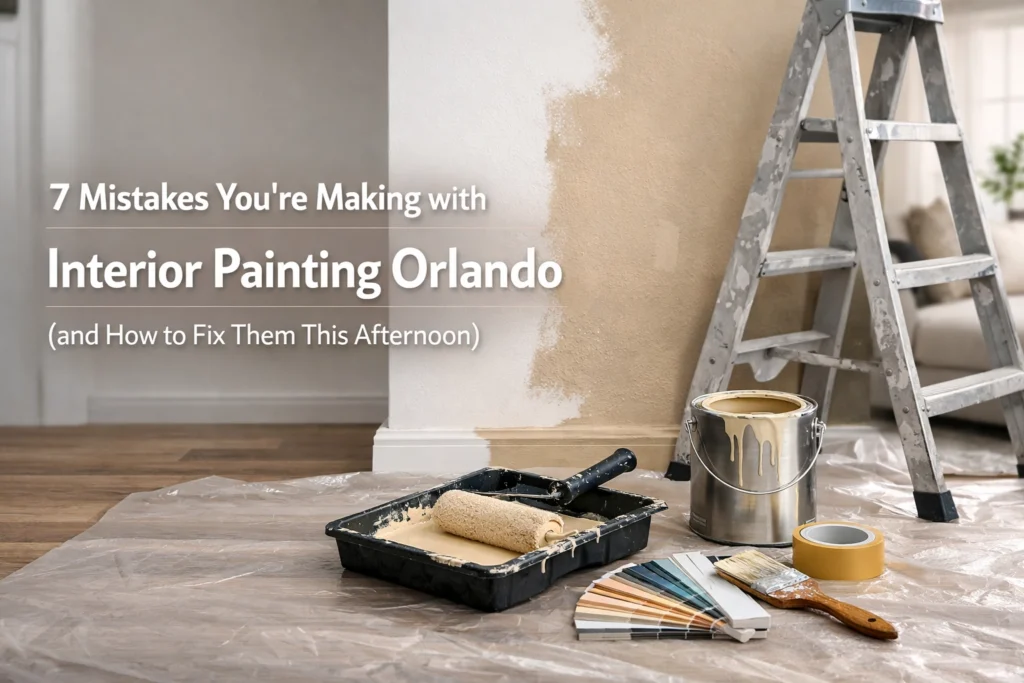
7 Mistakes You’re Making with Interior Painting Orlando (and How to Fix Them This Afternoon)
Your home is more than just a structure of wood and concrete; it is the canvas upon which your life’s most precious dreams are crafted. In the vibrant heart of Central Florida, our homes serve as a sanctuary from the bustling energy of the city and a retreat from the golden sun. When you decide to refresh your living space with interior painting Orlando, you aren't just changing a color: you are weaving a new atmosphere of warmth and hospitality into your daily life. However, even the most inspired vision can be derailed by small oversights. We have seen many homeowners start with a heart full of creativity, only to find themselves frustrated by streaks, peeling, or colors that just don’t look right under the Florida light. As your local Remodeling Expert, A&G General Services USA is here to guide you through the journey of transformation. If you’ve noticed your latest DIY project isn't reflecting the luxurious finish you envisioned, don’t worry. Most of these issues can be addressed quickly. Here are the seven most common mistakes you’re making with interior painting in Orlando and exactly how to fix them this afternoon. 1. Skipping the Essential Surface Preparation We often view painting as the first step, but in reality, the magic happens in the preparation. In our humid climate, walls can collect everything from fine dust to microscopic grease from the kitchen. If you paint directly over these contaminants, the bond between the paint and your wall is compromised from the start. The Fix: This afternoon, take a moment to pause. Grab a bucket of warm water and a mild detergent (or a professional-grade TSP substitute). Wipe down your walls thoroughly. It might feel like an extra chore, but ensuring a pristine surface is the secret to a finish that remains a testament to quality for years to come. Once dry, your paint will adhere with the strength your home deserves. 2. Turning a Blind Eye to Drywall Imperfections Orlando’s sandy soil can lead to minor settling, which often results in small cracks or "nail pops" in your drywall. You might think a thick coat of paint will hide these blemishes, but the opposite is true. Fresh paint, especially those with any hint of sheen, acts like a spotlight on every hole, dent, and rough patch. The Fix: Before you dip that brush again, inspect your walls. Use a high-quality spackling compound to fill in those tiny craters and smooth out cracks. Once dry, sand the area lightly until it feels like silk to the touch. This attention to detail is what separates a standard job from an exquisite transformation. If the damage is extensive, seeking professional general construction help can ensure your "canvas" is perfectly restored. 3. Choosing the Wrong Finish for the Florida Lifestyle Orlando is known for its humidity and high-traffic households. Using a flat or matte paint in a narrow hallway or a moisture-rich bathroom is a recipe for premature wear. Flat paints are beautiful for ceilings, but they don’t stand up well to the occasional scuff or the dampness of a rainy Florida afternoon. The Fix: Evaluate the "mission" of each room. For kitchens and bathrooms, pivot to a semi-gloss or satin finish that resists moisture and allows for easy cleaning. For living areas, an eggshell finish provides a sophisticated, velvety look that still offers durability. If you’ve already started with the wrong sheen, you can often apply a fresh coat of the correct finish right over it once it’s fully cured. 4. Compromising on Tool Quality It is tempting to grab the budget-friendly brush set at the local hardware store, but low-quality tools often shed bristles into your wet paint and create uneven "lap marks." A beautiful living space deserves a professional touch, and that starts with the tools you hold in your hand. The Fix: This afternoon, trade in those bargain brushes for high-density rollers and angled sash brushes. Quality tools hold more paint and distribute it more evenly, allowing you to "cut in" around baseboards and ceilings with the precision of an artist. You’ll find that the work goes faster and the result looks significantly more refined. 5. The "One-Coat Wonder" Myth We all want to see the final result as quickly as possible, but trying to finish a room in a single coat usually leads to patchy coverage and visible "ghosting" from the previous color. This is especially true if you are transitioning from a dark tone to a lighter, more vibrant palette. The Fix: Commit to the process. Apply a thin, even first coat and resist the urge to go back over spots that look thin while the paint is still wet. Let it dry completely. A second coat is where the true depth of color emerges, creating that lush, saturated look that transforms a room into a sanctuary. 6. Underestimating the Orlando Humidity Our local weather is a factor in every renovation project. High humidity levels in Central Florida can significantly slow down drying times. If you apply a second coat too quickly, or move your furniture back against the wall while the paint is still "tacky," you risk soft spots, peeling, and permanent marks on your beautiful new walls. The Fix: Be patient and follow the manufacturer's guidelines, then add a little "Florida buffer." Ensure your AC is running or use fans to circulate the air. If the paint feels even slightly sticky to the touch, it isn’t ready. Waiting an extra few hours this afternoon will save you from the headache of a total redo next month. For a deeper look at how to handle local challenges, check out The Homeowner's Guide to Home Renovation in Orlando in 2026. 7. Ignoring the Dance of Light One of the most common mistakes is choosing and evaluating paint only under the midday sun. In Orlando, the light changes dramatically from the bright morning to the golden "magic hour" and finally to your evening artificial lighting. A color that